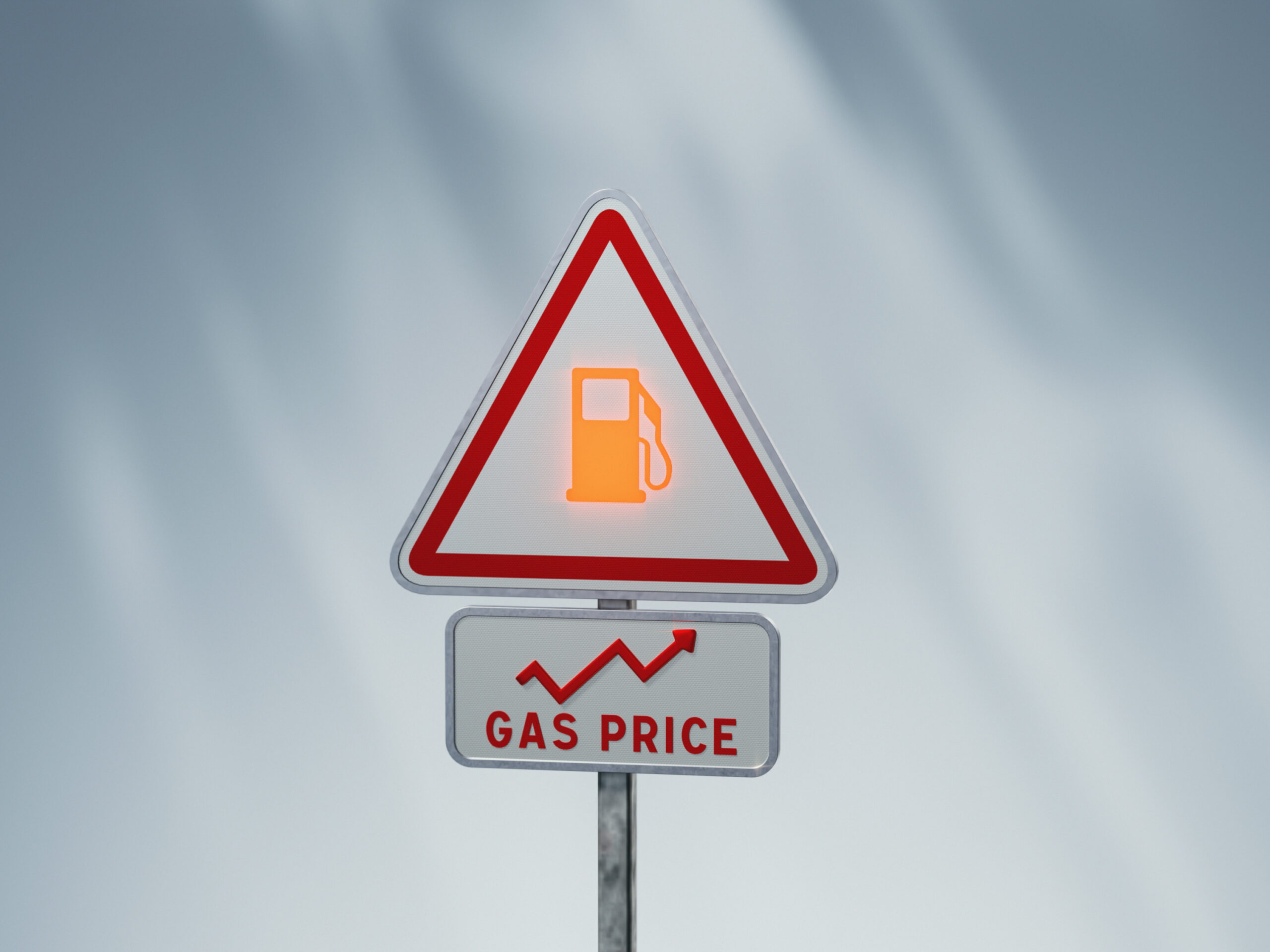
Everyone is feeling the pain from rising fuel costs. At the time of this writing, the cost of regular gas is $4.60 per gallon nationally. Diesel is an almost impossible to conceive $6.44 per gallon. And since all goods – and many services, including HVAC – move by rail or road, every industry is seeing an impact on profitability.
Business owners who are within their window to sell are especially concerned about fuel costs and how buyers might factor them into their offer to purchase the company. Here’s advice for owners to mitigate the damage of high fuel costs:
Remember that it’s always something.
Fuel costs are a very visible expense, and owners feel the pain both in their business and personal budgets, making it loom large in their planning. Traditionally, it’s equipment costs that have been the issue; manufacturers are subject to material costs and other factor outside their control, so equipment prices can increase by as much as 25% in a single year. But those are costs that can be passed on to customers, since they are probably the same for every HVAC company.
Owners have started tacking on fuel surcharges to repairs and installation invoices, but most consumers are not pleased, even though they understand the reasoning. Even long-term customers who are loyal to the company may start to wonder if they should be responsible for the cost of doing business. Whether it’s the price of copper, freon, replacement parts, labor, or worker’s comp, the cost of doing business will never be flat, and smart business owners must be prepared for it.
Review all your expenses carefully, not just the current pain point.
Many owners are too busy approving invoices as they come in to develop a system for tracking costs over time. An annual review of revenue and costs is helpful so the owner can make informed decisions about pricing.
There are two ways to become more profitable: bring in more money or reduce expenses. In order to grow your business (or get it ready to sell), you have to earn another dollar or cut another dollar. And nobody ever cut their way to greatness. It’s a better use of time to chase dollars than chase dimes. But overspending on labor, equipment, or supplies is something that’s pretty easy to fix, as long as you’re paying attention. Tracking expenses and looking for trends is easier when there is a good bookkeeping system in place, so it’s worth the investment.
Normalize raising prices annually.
The annual review will give a clear idea of how much your overall costs might have increased, factoring items such as insurance premium increases, the higher cost of fuel, vehicle maintenance, labor, or marketing will help determine if your hourly rates should be higher. Even if your revenue is healthy and growing, you may be slipping backwards on profitability. Your profit margins year over year are one of the key performance indicators for your business, so it’s critical to evaluate processes or costs that might be eating into them. Make improving efficiency a priority for everyone.
The beginning of the new calendar year is a natural time to send a letter about new pricing. The customers who are most likely to notice an increase are annual maintenance agreement customers. Even they, though, are usually billed a single charge per year (or every six months), so they will see a small percentage increase that will make sense to most of them, since almost all consumers are aware of the rising cost of goods and services over the past year.
It’s natural to worry about losing customers when you increase your pricing, but sustainability and profitability are the most important factors in a company’s value. The company down the street that charges 2016 prices won’t be able to sustain that for long. There’s no way to predict where fuel costs – or any other cost – will be a year from now. The best strategy is to take steps to maintain profitability based on your current situation and the factors that are within your control.